
Generic vs. Brand-Name Medications: Understanding What the Labels Mean
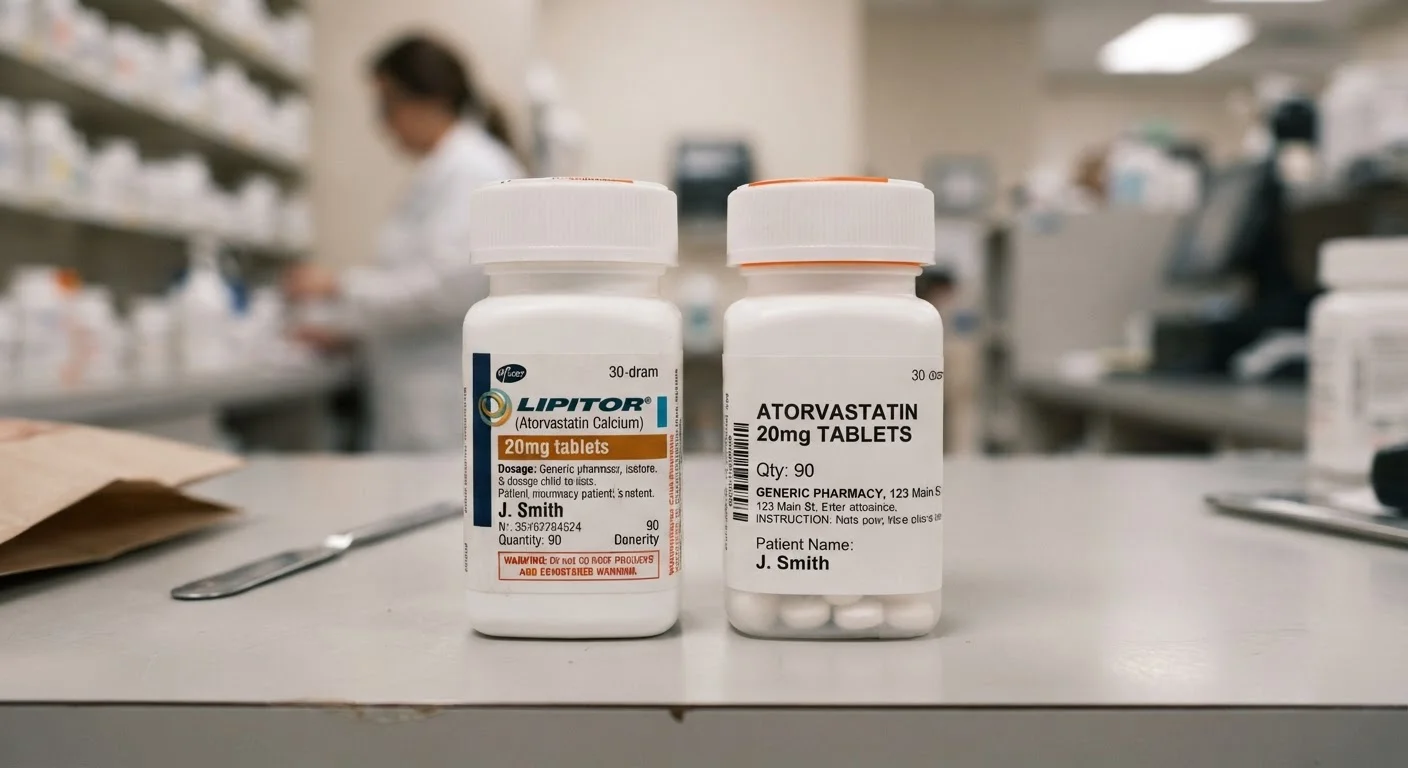
Photo credit: grub-cafe.com
In this article
A clear look at how generic drugs are regulated, what they have in common with brand-name versions, and when the distinction matters.
Key Takeaways
- The FDA requires generic drugs to contain the same active ingredient, strength, and dosage form as their brand-name counterparts.
- Inactive ingredients such as fillers and dyes can differ between generic and brand-name versions.
- Generic medications are typically priced significantly lower than brand-name versions once patent protection expires.
- A small number of medications with narrow therapeutic indexes may need closer monitoring when switching formulations.
- Always consult a qualified healthcare professional before switching between formulations of any medication.
What the FDA actually requires from generic drugs
When a pharmaceutical company's patent on a brand-name drug expires, other manufacturers can apply to the FDA to sell a generic version. The FDA's approval process for generics, governed by the Abbreviated New Drug Application (ANDA) pathway, requires manufacturers to demonstrate bioequivalence: the generic must deliver the same active ingredient at the same strength, in the same dosage form, via the same route of administration, and must be absorbed at a comparable rate and extent.
Bioequivalence testing measures how the drug behaves in the body. The FDA considers a generic bioequivalent when its absorption falls within an accepted statistical range compared to the brand-name reference product. This standard applies to every generic approved for sale in the United States.
What the FDA does not require to be identical are inactive ingredients, the fillers, binders, colorings, and coatings that give a pill its shape, color, and texture. These components generally have no therapeutic effect, but they can matter for patients with specific allergies or sensitivities to particular dyes or excipients.
| Criterion | Brand-name medications | Generic medications |
|---|---|---|
| Active ingredient | Original patented compound | Same active ingredient, same strength |
| FDA approval standard | Full clinical trial data required | Bioequivalence demonstration required |
| Inactive ingredients | Proprietary formulation | May differ by manufacturer |
| Typical cost | Higher, especially under patent | Generally lower after patent expiry |
| Appearance | Consistent by brand | Varies across manufacturers |
| Availability | Always available for brand version | Dependent on patent expiry and supply |
Where the price difference comes from
Brand-name manufacturers spend years and significant resources on clinical trials before a drug reaches market. Patent protection gives them exclusive rights to sell the drug for a period of time, during which they set prices to recover those costs. Once patent exclusivity ends, multiple manufacturers can produce the same active ingredient, and competition typically brings prices down considerably.
The FDA reports that generic drugs save consumers and the healthcare system tens of billions of dollars annually. For families without comprehensive prescription coverage, asking a pharmacist about generic availability for any new prescription is a straightforward first step.
90%
Share of U.S. prescriptions filled as generics
According to the FDA, generics account for roughly 9 in 10 prescriptions dispensed in the United States.
$373B+
Estimated annual savings from generic drug use
The Association for Accessible Medicines has estimated that generic and biosimilar medicines save the U.S. healthcare system hundreds of billions of dollars each year.
One practical point: even within generics, prices vary by pharmacy. The same generic drug can cost meaningfully different amounts depending on where it is dispensed. Checking with your pharmacist, or using your insurance plan's mail-order option if available, can reduce costs further. This article provides general information only; discuss your specific medications and coverage with your prescriber and pharmacist.
When the brand-vs-generic distinction matters more
For the majority of medications, switching from brand-name to generic produces no perceptible clinical difference. However, a category called narrow therapeutic index (NTI) drugs warrants more attention. NTI drugs are those where a relatively small difference in blood concentration can shift outcomes: examples include levothyroxine (used for thyroid conditions), warfarin (a blood thinner), and certain anti-seizure medications.
For NTI medications, the FDA requires additional scrutiny during generic approval, but prescribers sometimes prefer patients to stay on a consistent formulation rather than switching between manufacturers. If you take an NTI drug, talk with your prescriber before any change in formulation. Do not stop or change these medications on your own.
Inactive ingredient differences also become relevant for patients with documented allergies to specific dyes such as FD&C Yellow No. 5 (tartrazine), or to certain fillers like lactose. A pharmacist can often identify which formulations of a generic are free from a specific excipient.
This article is for general informational purposes only and is not medical advice. Always consult a qualified healthcare professional before starting, stopping, or changing any medication.

Author
Health & Wellness Editorial Team
Health & Wellness Editorial Team is the collective byline for our editorial team and contributor network. Articles published under this byline or an editorial pen name are researched, written, and reviewed according to our editorial standards for clarity, consistency, and independence before publication.
View all articles →