
Doing Your Own Basic Car Maintenance: A Starting Point for New Owners
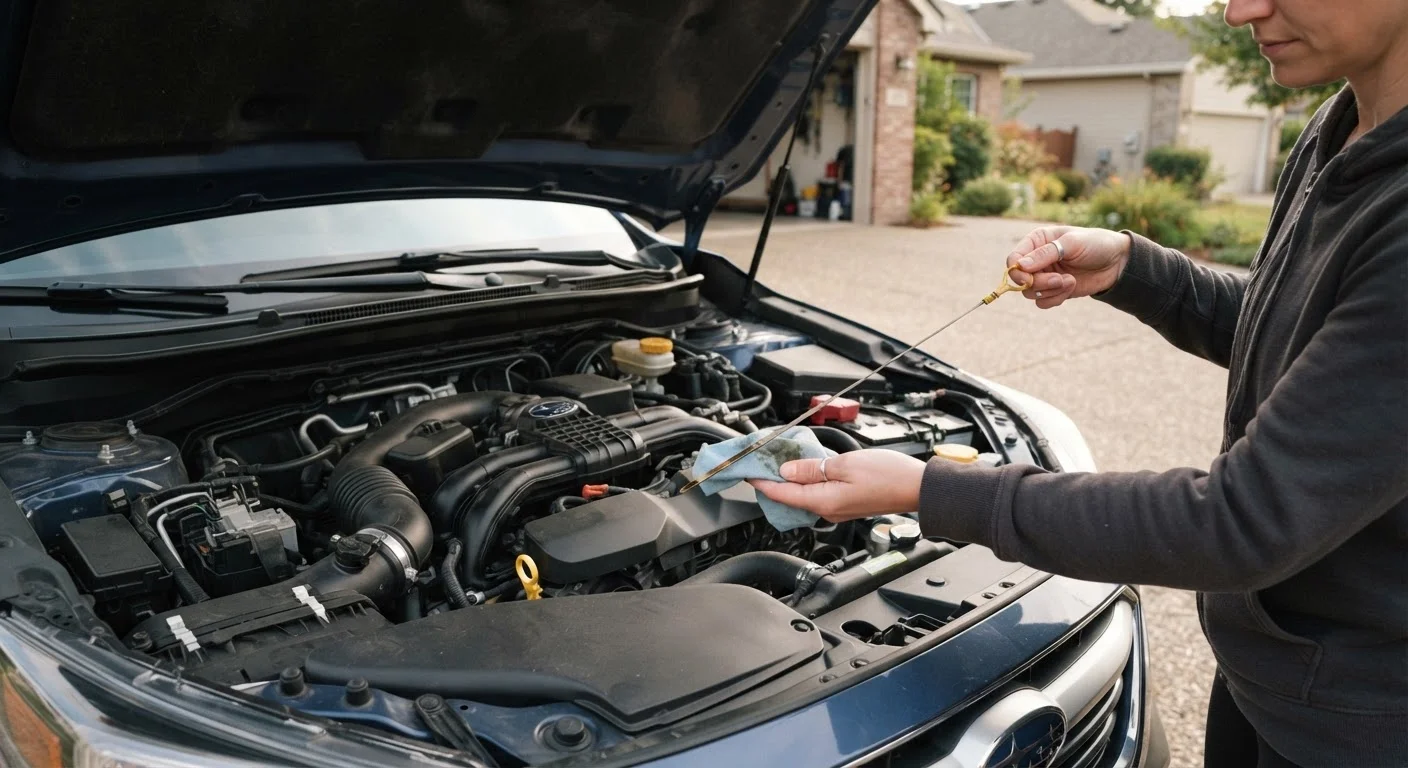
Photo credit: grub-cafe.com
In this article
New to owning a car? This guide covers the foundational tasks any driver can learn, from checking fluids to reading tire wear patterns.
Key Takeaways
- Most basic maintenance checks require no special tools and take under 15 minutes.
- Fluid levels, tire pressure, and tread depth are the three things worth checking monthly.
- Your owner's manual is the most reliable source for service intervals and fluid specifications.
- Catching small problems early is consistently cheaper than waiting for a warning light to appear.
- Some jobs genuinely require a licensed mechanic; knowing which ones protects your safety.
What counts as basic maintenance
Basic car maintenance covers the tasks a typical owner can do safely without professional training or specialized equipment. These are inspections and minor interventions, not repairs. The goal is to catch problems early and keep consumable parts in good condition.
The clearest dividing line is this: if a task requires lifting the vehicle, working near high-voltage systems (common in hybrids and electric vehicles), or removing components tied to braking or steering, it belongs in a shop. Everything covered here stays well clear of that line.
Your owner's manual remains the most important document you have. It lists the exact fluids your vehicle requires, the correct tire pressures, and the maintenance intervals the manufacturer recommends. Understanding those intervals is the next logical step once you are comfortable with the checks described below.
Viscosity grade
A rating that describes how thick or thin an engine oil is at different temperatures, such as 5W-30. Using the grade specified in your owner's manual helps protect the engine across its operating temperature range.
Tread depth
The measurement of how much rubber remains in the grooves of your tire. Less tread means less grip, particularly on wet roads.
Cold tire pressure
The air pressure in a tire measured after the vehicle has been parked for several hours. Driving heats the air inside tires and raises pressure, so a cold reading gives you a more accurate comparison against the manufacturer's specification.
Dipstick
A long metal rod inserted into the engine oil reservoir. Pulling it out and reading where the oil sits on its marked end tells you whether the oil level is within the acceptable range.
Cabin air filter
A filter that cleans air before it enters the passenger compartment through the heating and ventilation system. A dirty cabin filter can reduce airflow and allow dust or pollen inside the vehicle.
Checking and topping off fluids
With the engine off and cooled down, pop the hood and locate these reservoirs. Most modern vehicles label them clearly on the cap.
- Engine oil: Pull the dipstick, wipe it clean, reinsert it fully, then pull it again. The oil level should fall between the two marks on the dipstick. The color should be amber to dark brown; a milky or foamy appearance can indicate a serious problem and warrants a mechanic visit.
- Coolant: Check the plastic overflow reservoir, not the radiator cap directly. The level should be between the MIN and MAX lines. Never open a hot radiator cap.
- Brake fluid: The translucent reservoir on the driver's side shows the level without opening it. If it is consistently low, have the brake system inspected rather than simply topping it off.
- Windshield washer fluid: The only fluid here you can top off freely with any commercial washer fluid.
Adding fluid is straightforward once you confirm the correct specification from your manual. Mixing incompatible coolant types, for example, can cause corrosion. Stick to what the manual specifies.
Reading your tires
Tires carry every safety system on your vehicle, so their condition matters more than most owners realize. Two checks cover the basics.
Tire pressure
The correct pressure for your vehicle is printed on a sticker inside the driver's door jamb, not on the tire sidewall (that number is the maximum the tire can hold, which is different). Check pressure when the tires are cold, meaning the car has been parked for at least three hours. A standard gauge or a digital one both work fine. If pressure is low, most gas stations have air pumps available.
Tread depth
Insert a quarter into the tread groove with Washington's head pointing down. If you can see the top of his head, you have roughly 4/32 of an inch of tread remaining and should start budgeting for replacement. A penny gives a lower threshold at 2/32 of an inch, which many states treat as the legal minimum.
Uneven wear patterns tell you more than depth alone. Wear concentrated in the center suggests the tire has been over-inflated. Wear on both outer edges points to chronic under-inflation. Edge wear on one side only can indicate an alignment problem. Letting alignment issues run accelerates tire wear and adds cost quickly.
Lights, wipers, and air filters
These three items are easy to overlook because they degrade gradually, but each one affects safety or engine efficiency.
Exterior lights
Walk around your vehicle once a month with the headlights, brake lights, and turn signals on. A helper makes checking brake lights straightforward. Many bulb replacements are tool-free and covered in the owner's manual. If a light housing is sealed or requires significant disassembly, a shop visit is faster and avoids the risk of cracking a lens.
Wiper blades
Blades that streak, skip, or chatter in rain need replacement. Most blades attach with a simple clip mechanism and come with printed instructions. Replacement intervals vary by climate; blades in harsh winter regions often need swapping more frequently than the typical annual recommendation.
Air filters
The engine air filter prevents dust and debris from entering the engine. A clogged filter can reduce fuel economy and performance. On most vehicles, it sits in a rectangular plastic box near the top of the engine and can be swapped without tools. The cabin air filter, which cleans air entering the passenger compartment, is usually behind the glove box. Both filters have replacement intervals in your owner's manual.
For a structured checklist covering all of these before a longer drive, the pre-road-trip vehicle checklist walks through each item systematically.
Keep a simple maintenance log
A small notebook or a free notes app works fine. Record the date, mileage, and what you checked or replaced each time you do a maintenance task. This log helps you spot patterns, such as a fluid that keeps dropping, and gives a mechanic useful context if a problem develops later.
When to call a mechanic instead
Knowing what not to attempt yourself is as useful as knowing what you can handle. These situations belong with a licensed mechanic:
- Any brake component beyond confirming fluid level, including pads, rotors, and calipers
- Suspension or steering parts
- Electrical diagnosis, particularly when a warning light has appeared
- Any work on hybrid or electric vehicle high-voltage systems
- Coolant system repairs beyond topping off the reservoir
A dashboard warning light is not always an emergency, but it is never something to ignore for weeks. The guide to dashboard warning lights explains what each symbol signals and how urgently it needs attention.
Managing repair costs at a shop does not have to mean accepting the first estimate. Getting a written estimate, asking what is safety-critical versus what can wait, and understanding what the repair involves are all reasonable things to do before authorizing work.
Frequently Asked Questions

Author
Automotive Editorial Team
Automotive Editorial Team is the collective byline for our editorial team and contributor network. Articles published under this byline or an editorial pen name are researched, written, and reviewed according to our editorial standards for clarity, consistency, and independence before publication.
View all articles →