
Warning Lights on Your Dashboard and What They Are Trying to Tell You
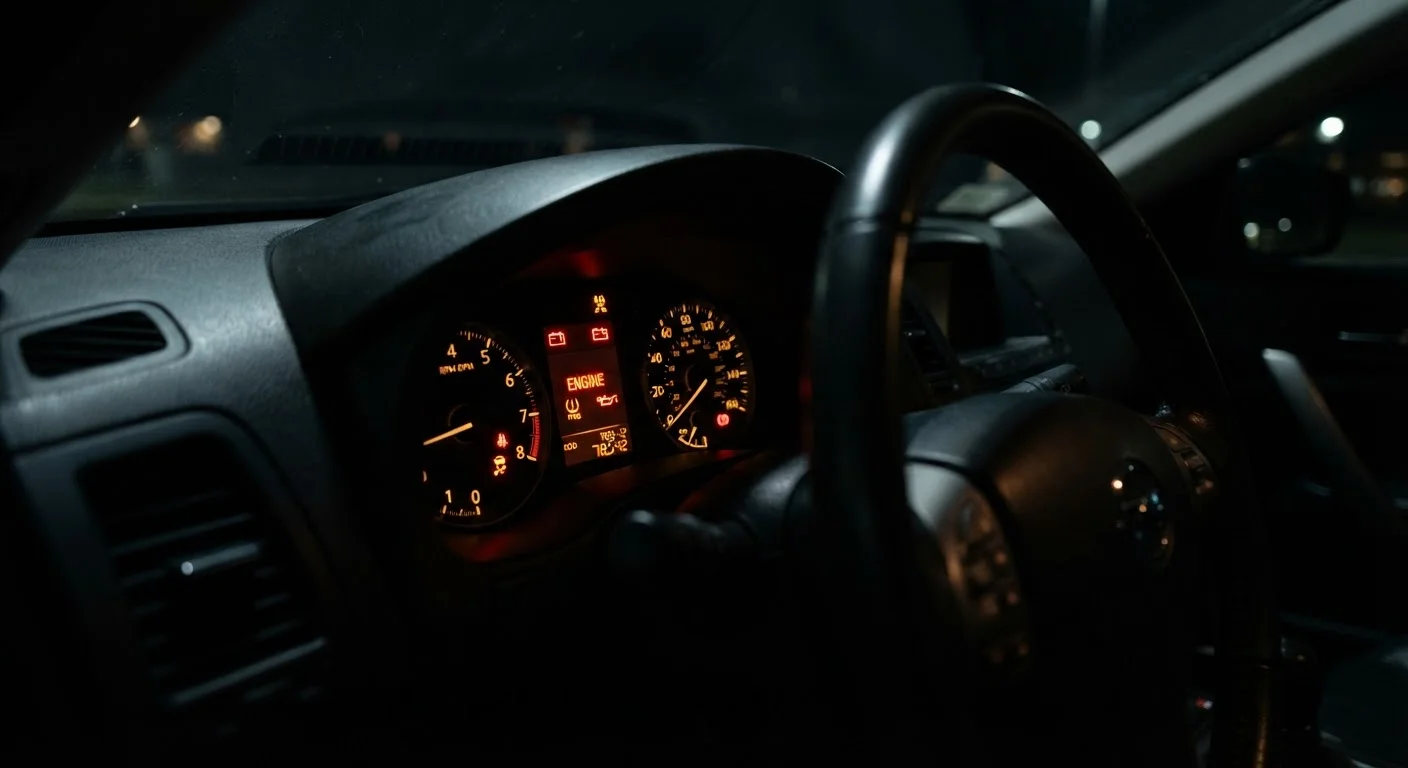
Photo credit: grub-cafe.com
In this article
A plain-language reference for the most common dashboard warning lights, from check engine to tire pressure, and what each one signals.
How warning lights work
Every modern vehicle uses an onboard diagnostics system to monitor sensors throughout the engine, transmission, braking system, and more. When a sensor reading falls outside its normal range, the system triggers a warning light on the instrument cluster. Most lights follow a color convention: red means stop or act immediately, amber (yellow or orange) means investigate soon, and green or blue means a system is active but not alarming.
Your owner's manual is the definitive reference for your specific vehicle, since symbols are not fully standardized across all manufacturers. That said, the lights listed below appear on the vast majority of cars sold in the United States and carry consistent meaning. See our guide to basic car maintenance if you want a broader picture of what routine upkeep looks like.
OBD-II
On-Board Diagnostics, second generation. A standardized system required on all U.S. passenger vehicles made after 1996 that monitors engine and emissions components and stores diagnostic trouble codes when a fault is detected.
Malfunction indicator lamp (MIL)
The technical name for the check engine light. It illuminates when the OBD-II system detects a reading outside acceptable parameters for the engine or emissions system.
TPMS
Tire Pressure Monitoring System. A sensor-based system that alerts the driver when tire pressure in one or more tires drops significantly below the vehicle manufacturer's recommended level.
Catalytic converter
An emissions control device in the exhaust system that converts harmful combustion byproducts into less harmful gases. A misfiring engine can overheat and damage it, making replacement expensive.
ABS
Anti-lock Braking System. An electronic safety system that prevents wheel lockup during hard braking, helping the driver maintain steering control. A fault in ABS does not disable the base brakes.
Diagnostic trouble code (DTC)
A standardized alphanumeric code stored by the OBD-II system when a sensor detects a fault. Codes identify the affected system (e.g., engine, transmission) and help mechanics narrow the diagnosis.
The lights you will most commonly see
The following lights account for the majority of dashboard warnings drivers encounter.
Check engine (malfunction indicator lamp)
This amber light can represent anything from a loose gas cap to a misfiring cylinder. A steady light generally allows you to continue driving while scheduling a diagnostic scan. A flashing check engine light signals an active misfire that can damage the catalytic converter; reduce speed and have the vehicle inspected promptly. An auto parts store or a mechanic can read the diagnostic trouble code for free or a small fee, giving you a starting point before any repair decision.
Battery / charging system
A red battery symbol that stays on while driving usually means the alternator is not charging the battery, not that the battery itself has failed. You may have limited time before the vehicle loses electrical power entirely. Turn off non-essential accessories and head to a shop.
Oil pressure
A red oil can symbol is one of the most serious lights on the panel. Low oil pressure can cause rapid, severe engine damage. Pull over safely, shut off the engine, and check the oil level. Do not continue driving until the cause is confirmed. If the oil level is normal and the light remains on, the oil pump or a sensor may be faulty; a mechanic needs to diagnose it.
Tire pressure (TPMS)
The amber TPMS (Tire Pressure Monitoring System) light looks like a cross-section of a tire with an exclamation point. It activates when one or more tires fall roughly 25 percent below the recommended pressure, which is listed on the sticker inside the driver's door jamb, not on the tire sidewall. Inflate the tires to the correct pressure and the light will typically reset on its own after driving a short distance. A flashing TPMS light that then stays on points to a sensor fault rather than a pressure issue. Before any family trip, checking tire pressure manually is worth the two minutes it takes. Our pre-road-trip vehicle checklist walks through that and other pre-departure checks.
Brake system
A red circle with an exclamation point or the word BRAKE can mean the parking brake is engaged, the brake fluid is low, or there is a hydraulic fault in the braking system. Confirm the parking brake is released first. If the light persists, check brake fluid level and have the brakes inspected before further driving.
Temperature warning
A red thermometer symbol in a wavy line means the engine coolant is overheating. Pull over, turn off the engine, and allow it to cool before opening the hood. Do not remove the coolant reservoir cap while the engine is hot. Driving an overheating engine risks warping the cylinder head, a repair that can cost several thousand dollars.
ABS (anti-lock braking system)
An amber ABS light means the anti-lock braking system has detected a fault. Your standard brakes still work, but the ABS function that prevents wheel lockup during hard stops may be disabled. Avoid aggressive braking and have the system checked.
What to do when a light comes on
Red lights warrant immediate action: stop driving when it is safe to do so. Amber lights mean the issue is real but typically not an emergency; schedule a diagnosis within a day or two rather than ignoring the light for weeks. Driving with an unresolved warning can turn a minor repair into a major one.
A professional OBD-II (On-Board Diagnostics, second generation) scan reads the stored fault codes and points toward the affected system. Many auto parts retailers offer this scan at no charge. The code narrows the problem but does not always identify the exact failed part, so treat it as a starting point for a conversation with a mechanic, not a final diagnosis.
Staying on top of warning lights connects directly to your overall maintenance schedule. Our article on your car's maintenance schedule explains the service milestones that prevent many of these lights from appearing in the first place. If a warning has already led to a repair quote, our piece on keeping repair costs down covers strategies for managing those bills without skipping safety-critical work.

Author
Automotive Editorial Team
Automotive Editorial Team is the collective byline for our editorial team and contributor network. Articles published under this byline or an editorial pen name are researched, written, and reviewed according to our editorial standards for clarity, consistency, and independence before publication.
View all articles →