
Why Ignoring Small Car Problems Turns Into Expensive Ones
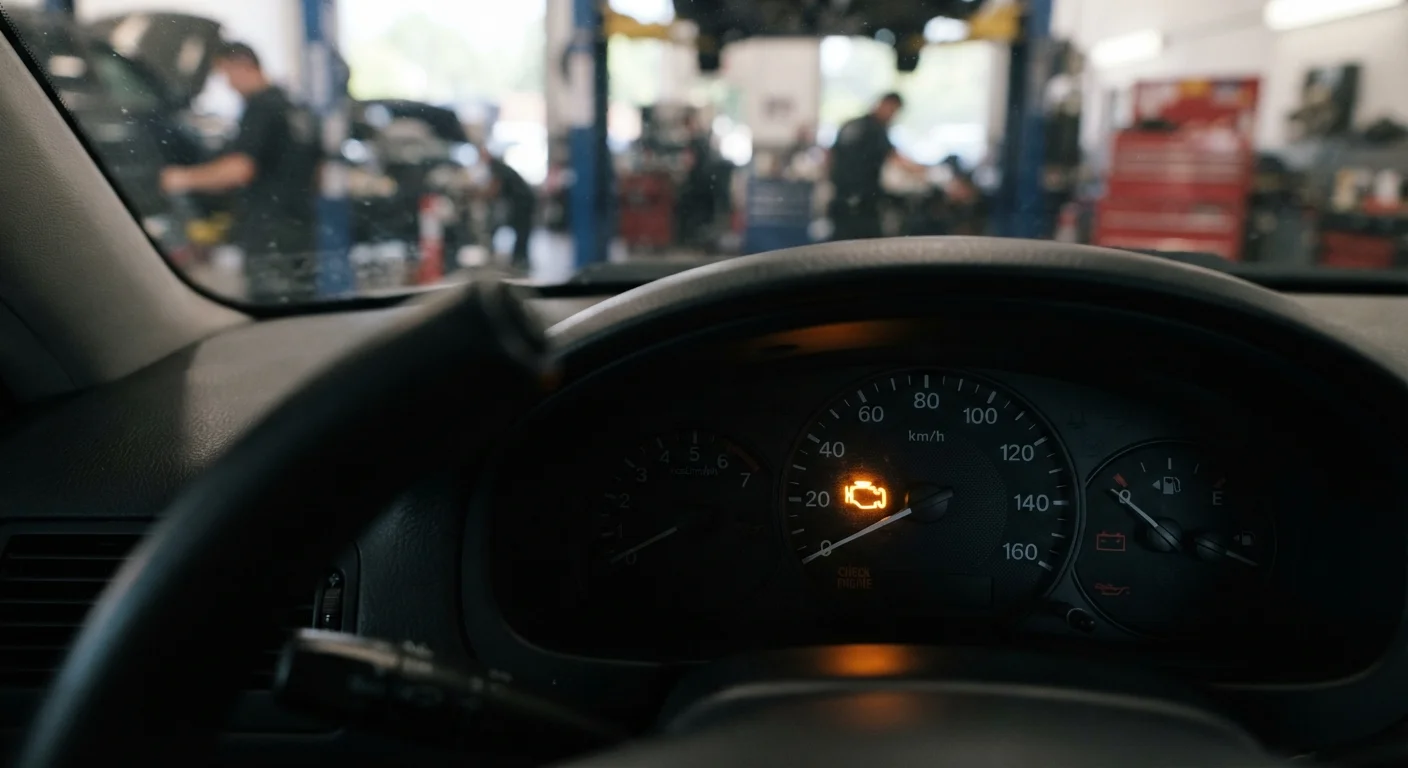
Photo credit: grub-cafe.com
A squeaky brake or a slow tire leak can seem minor until it is not. Learn which small issues escalate quickly and how to catch them early.
Key Takeaways
- Minor car issues like slow tire leaks or squeaky brakes often signal developing mechanical failures.
- Delaying small repairs consistently costs more than addressing them promptly when first noticed.
- Most warning lights and unusual sounds have identifiable causes a mechanic can diagnose inexpensively.
- A basic maintenance schedule prevents the majority of expensive surprise repair bills.
- Skipping fluid checks is one of the fastest ways to cause serious, avoidable engine damage.
How small problems escalate
Vehicle repairs rarely arrive without warning. Most expensive fixes trace back to a symptom that was present weeks or months earlier, noticed and set aside. The pattern is consistent: a sound, a smell, a light, or a slow change in how the car behaves gets normalized until it cannot be ignored.
The financial logic of early intervention is straightforward. A brake pad replacement typically costs a fraction of what a rotor and caliper job runs. A coolant hose replaced before a failure costs far less than an engine repair after overheating. The maintenance schedule for your vehicle exists precisely to catch developing problems before they compound.
Understanding which specific issues escalate fastest is the first step toward avoiding that compounding cost.
Dismissing a slow tire leak as a minor inconvenience.
Why it happens: Tires that lose pressure gradually still seem driveable, so many drivers top them off with air and move on without investigating the cause.
Ignoring a dashboard warning light because the car still drives normally.
Why it happens: Modern vehicles display many warning codes, and drivers learn to associate lights with nothing dramatic when the car seems fine.
Skipping regular oil changes or stretching intervals significantly beyond the manufacturer's recommendation.
Why it happens: Oil change reminders feel routine and optional, especially when a vehicle seems to be running well.
Letting brake noises go uninvestigated for weeks or months.
Why it happens: Squealing at the start of a cold morning can be normal, and that familiarity causes drivers to assume other brake sounds are equally harmless.
Not addressing a small coolant leak until the engine overheats.
Why it happens: A minor coolant drip may not show up as a temperature gauge spike right away, so drivers assume it is not urgent.
Driving on tires with visible tread wear indicators exposed.
Why it happens: Tire replacement is a significant expense, and drivers in tight months delay it hoping to get more mileage out of worn tires.
Building a habit that prevents most of this
Most of the mistakes above share a common cause: no regular system for checking on the vehicle. Drivers who look at their tires, fluids, and dashboard lights on a set schedule catch the early signals before they become repair bills.
Low oil pressure requires immediate action
If your oil pressure warning light comes on while driving, pull over safely and shut off the engine as soon as possible. Continuing to drive with low oil pressure can destroy engine components within minutes. This is not a warning to monitor: it is a stop-now situation. Have the vehicle towed if necessary and inspected by a qualified mechanic before driving again.
A monthly walk-around takes about five minutes. Check tire pressure with a gauge, look at the tread, and scan underneath the car for fresh spots of fluid. Under the hood, verify engine oil level and color, coolant level, and brake fluid level. These checks do not require mechanical training, and the basic maintenance starting guide covers exactly how to do each one.
When a repair is needed, the choice of where to take the vehicle matters too. The comparison of dealer service centers and independent mechanics can help you think through that decision based on your car's age and the type of work needed. Unplanned car costs fit the same pattern as other household budget drains; the article on where families quietly overspend covers how small recurring costs in other areas follow the same logic.
Brake changes should never wait
Grinding or metal-on-metal sounds when braking mean the brake pads are worn through. At that point, rotors are being damaged with every stop. What might have been a pad replacement can become a rotor and caliper job that costs several times more. Brake issues also directly affect safety, so this is not a repair to postpone.

Author
Automotive Editorial Team
Automotive Editorial Team is the collective byline for our editorial team and contributor network. Articles published under this byline or an editorial pen name are researched, written, and reviewed according to our editorial standards for clarity, consistency, and independence before publication.
View all articles →