
National Parks, State Parks, and City Getaways: Finding the Right Fit for Your Family
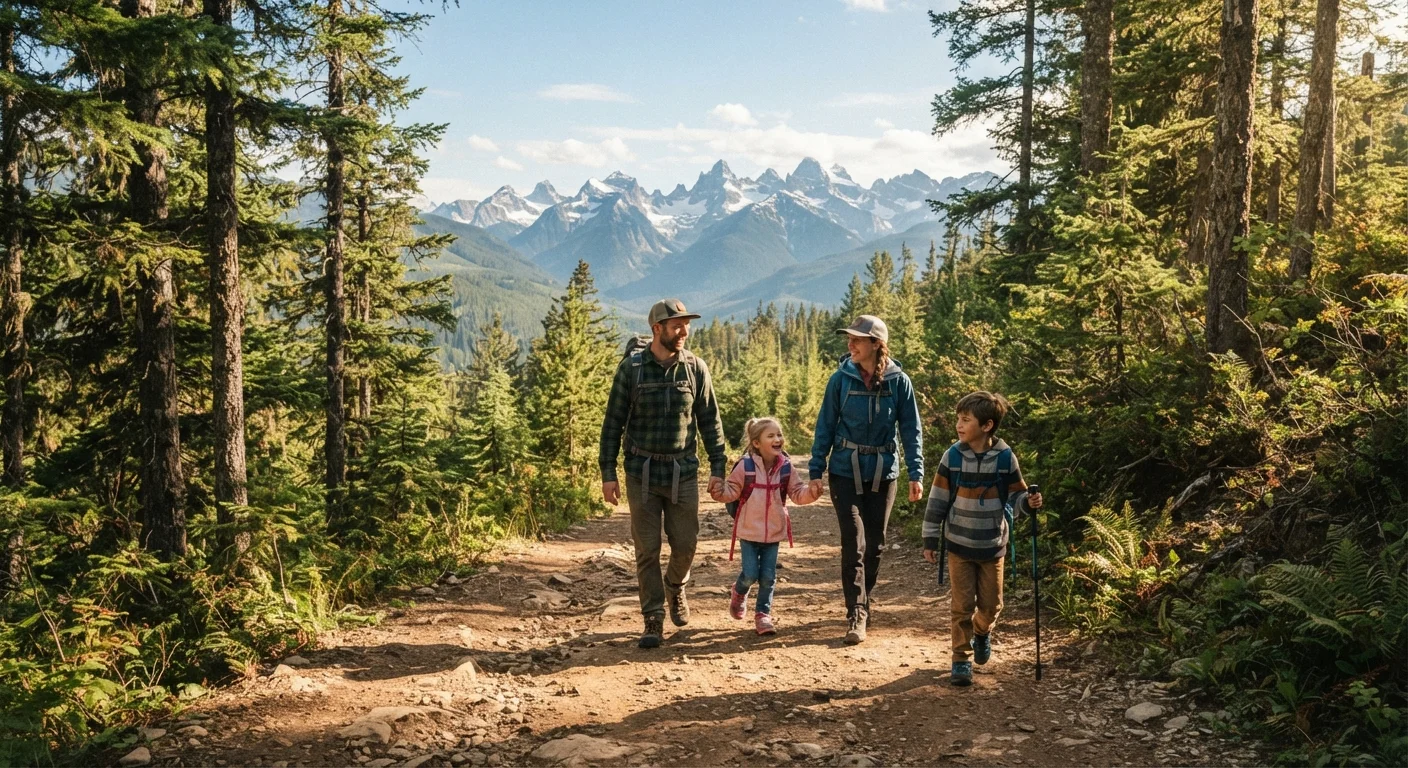
Photo credit: grub-cafe.com
In this article
Compare the costs, logistics, and experiences of national parks, state parks, and urban destinations to match your family's travel style.
Key Takeaways
- National parks carry a federal entry fee but the America the Beautiful annual pass can offset costs for families who visit multiple parks in a year.
- State parks are often dramatically cheaper than national parks and can offer comparable outdoor experiences with fewer crowds.
- City getaways have variable costs but free museums, parks, and public transit can keep spending in check for budget-conscious families.
- Lodging is usually the largest cost driver regardless of destination type, so comparing options early matters.
- Matching destination type to your children's ages and activity preferences avoids wasted spending on experiences that don't land.
How these three options actually differ in cost
Entry fees set the tone early. Federal national parks charge up to $35 per vehicle for a single visit. The America the Beautiful pass costs $80 annually and covers unlimited entry to federal lands for one vehicle, which makes it worthwhile if your family visits three or more parks in a year. State park fees typically run $5 to $10 per vehicle, and several states offer their own annual passes at $50 or under. Many city destinations charge nothing to enter at all, though paid attractions like aquariums, zoos, and museums add up quickly.
Lodging usually accounts for the largest share of the total trip cost. National park campgrounds book out months in advance at popular sites and run $25 to $35 per night. Nearby gateway hotels often charge premium rates due to limited competition. State parks tend to have more available campsites, lower nightly rates, and less fierce reservation competition. City stays depend heavily on neighborhood and season, but free-breakfast hotels, vacation rentals split across multiple rooms, and budget-friendly chains give families more price points to work with. For a detailed look at timing your bookings, see when to book for the best balance of price and flexibility.
| National parks | State parks | City getaways | |
|---|---|---|---|
| Typical entry cost | Up to $35/vehicle or $80 annual pass | $5-$10/vehicle, low annual pass | Free to enter; paid attractions vary |
| Camping cost per night | $25-$35, high competition | $15-$25, easier availability | N/A; hotel or rental required |
| Advance planning required | High; permits often months ahead | Moderate; shorter booking windows | Moderate; attraction tickets help |
| Best age range | School-age through teens | Toddlers through teens | School-age through teens |
| Crowd levels at peak times | Often very high at top sites | Lower; less national demand | Varies widely by city and season |
| Structured programming | Ranger programs, junior ranger | Limited; varies by park | Museums, tours, cultural events |
What the experience actually looks like on the ground
National parks offer ranger-led programs, junior ranger badges, and landscapes that are genuinely hard to replicate. The tradeoff is crowds at the most-visited sites. Yosemite Valley, Zion Canyon, and the Grand Canyon South Rim all require timed entry permits during peak months. If you travel with children who need predictability, unpredictable permit systems can create stress. Visiting shoulder-season months or choosing less-famous parks sidesteps much of this. Off-season travel can meaningfully reduce both crowds and costs.
State parks are more local and less choreographed. A weekend at a state park near your home region costs less in fuel, rarely requires advance permits for day use, and still delivers hiking, swimming, fishing, and wildlife. The programming is lighter, but children who enjoy unstructured outdoor time often have a better experience than they would fighting crowds at a flagship national park.
City getaways work differently. The Smithsonian museums in Washington, D.C. are free. Many city zoos and nature centers charge modest admission. Public transit cuts the cost of getting around. The challenge is resisting the pull of paid attractions, expensive restaurants, and souvenir shops that cluster in tourist zones. Families who plan spending limits per day before arriving tend to do better than those who improvise.
Planning complexity and logistics
National parks require the most advance work. Campsite reservations at Recreation.gov open months ahead and sell out within minutes for sites like Glacier and Acadia. Permit systems for popular trails add another layer. Packing for remote locations also demands more preparation: food storage regulations, bear canisters, and limited cell service are real considerations, not minor footnotes.
State parks are considerably more forgiving. Reservation windows are shorter, many parks accept walk-up sites, and facilities like restrooms and camp stores are more consistent at the family-friendly end of the spectrum.
City trips have different complexity. You don't need camping gear, but you do need to plan around school schedules, budget for transportation, and decide how far in advance to buy tickets for specific attractions. For families who road-trip to a city, combining the drive with stops at state parks along the route is a practical way to add value. The family road trip planning guide covers how to structure that kind of multi-stop trip without blowing the budget on fuel and lodging.
Matching destination type to your family's situation
Age matters more than most travel articles acknowledge. Toddlers and preschoolers often do as well at a nearby state park lake as they would at a famous national park, and the shorter drive reduces meltdown risk substantially. School-age children who have studied U.S. history may get more out of a city like Philadelphia or Boston than from a canyon they can't yet contextualize. Teenagers who want social experiences and walkable areas may actually prefer cities.
Budget constraints are equally concrete. A family of four spending a long weekend at a state park campground, cooking their own meals, and paying a $10 vehicle entry fee will likely spend $150 to $250 total on lodging and entry. The same family at a national park with a gateway hotel could spend $600 to $900 before food. A city trip's cost depends almost entirely on how many paid attractions you include and where you eat.
There is no reason to treat these destination types as mutually exclusive within a single year. A state park trip in spring, a city visit in fall, and a national park trip every two or three years when the annual pass pays for itself is a pattern that gives children varied experiences without consistently straining the household budget. If you are weighing other travel formats entirely, understanding how all-inclusive pricing works can help you compare that option against self-planned trips.

Author
Travel Editorial Team
Travel Editorial Team is the collective byline for our editorial team and contributor network. Articles published under this byline or an editorial pen name are researched, written, and reviewed according to our editorial standards for clarity, consistency, and independence before publication.
View all articles →