
Oil Change Intervals: What Mileage Numbers Actually Mean
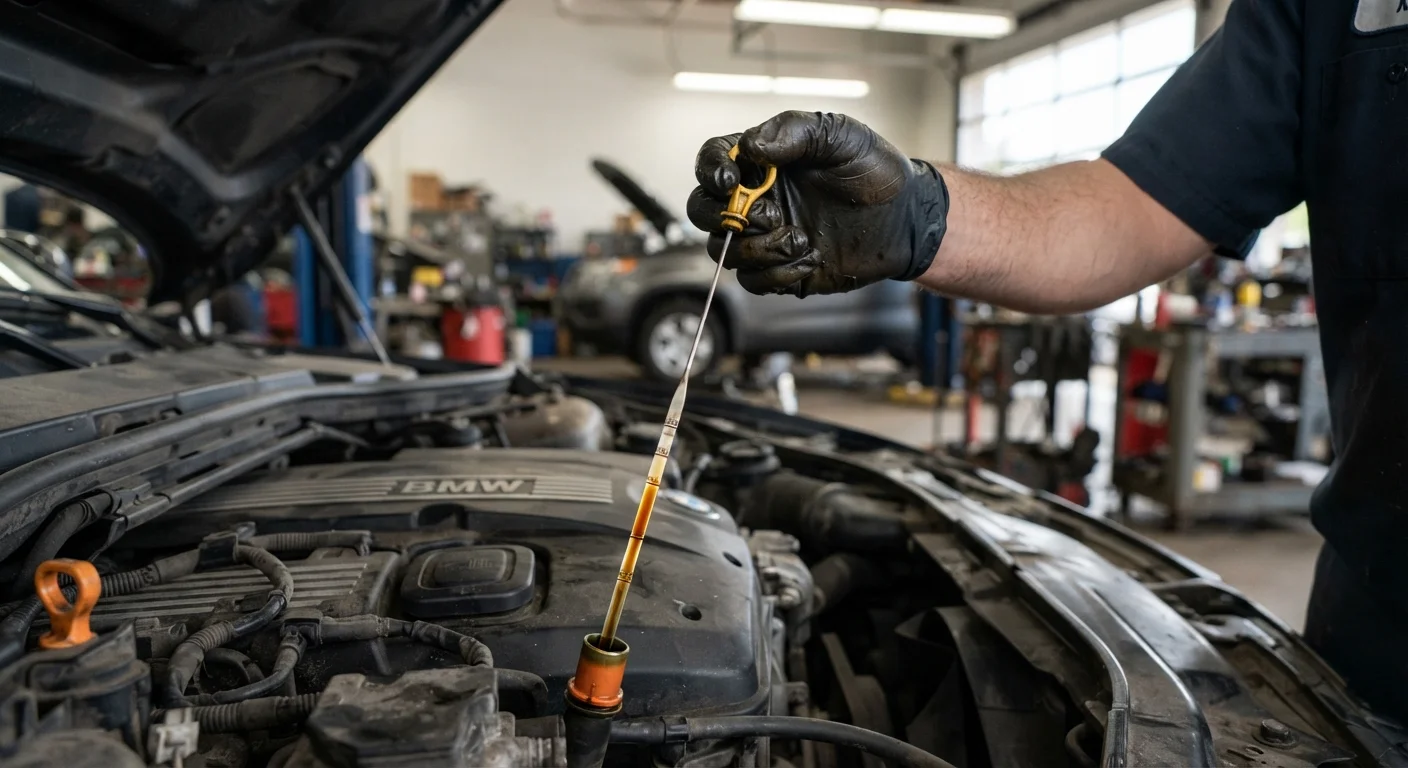
Photo credit: grub-cafe.com
In this article
The old 3,000-mile rule is outdated for most modern cars. Here is what your vehicle's oil change interval really depends on.
Key Takeaways
- The 3,000-mile oil change rule is outdated for most vehicles built in the last two decades.
- Synthetic oil in modern engines typically allows intervals of 5,000 to 10,000 miles or more.
- Your owner's manual gives the only interval number that applies to your specific engine.
- Driving habits, climate, and oil type all affect how quickly oil degrades.
- Oil life monitoring systems in newer cars calculate intervals based on real driving conditions.
Why the 3,000-mile rule persists
The 3,000-mile oil change recommendation dates to an era when engines had looser tolerances, conventional mineral oil was the standard, and automakers had not yet developed oil life monitoring systems. Quick-lube shops widely promoted the interval, and it stuck in the minds of American drivers long after the underlying conditions changed.
Today, most passenger vehicles run on synthetic or synthetic-blend oil and carry far tighter manufacturing tolerances than engines from the 1970s or 1980s. Neither the engine nor the oil needs replacement at 3,000 miles. Following that schedule on a modern car wastes money and generates unnecessary used-oil waste.
Myth
Every car needs an oil change every 3,000 miles.
Fact
Most modern vehicles with synthetic oil can go 5,000 to 10,000 miles or more between changes, per their manufacturer specifications.
The 3,000-mile figure predates modern synthetic oils and tighter engine manufacturing. Automakers set oil change intervals based on engine design and oil type, and most current specifications land well above 3,000 miles. Changing oil more often than required does not harm the engine, but it does cost money you do not need to spend.
Myth
Dark oil means the oil is bad and must be changed immediately.
Fact
Dark color alone is not a reliable indicator that oil needs changing. Oil darkens as it suspends combustion byproducts, which is normal function.
Clean oil turns dark within a few hundred miles because it is doing its job: holding contaminants in suspension so they reach the filter rather than depositing on engine parts. Color is not a proxy for oil condition. Viscosity breakdown, oxidation, and additive depletion determine serviceability, and those require either lab analysis or relying on the oil life monitor and mileage interval your manufacturer specifies.
Myth
Switching to synthetic oil after years on conventional oil will damage the engine.
Fact
Switching to a synthetic oil that meets your engine's viscosity and specification requirements is safe and will not cause leaks or damage.
This belief may trace to older synthetic formulations that had detergent levels capable of loosening deposits in very high-mileage, poorly maintained engines, sometimes revealing pre-existing gasket wear. Modern synthetics are formulated to be compatible with engine seals. The critical step is matching the viscosity grade and any specification codes (such as API or ILSAC ratings) listed in the owner's manual, not the oil's base type.
Myth
If you miss your oil change by a few hundred miles, your engine is in danger.
Fact
A modest overrun on a well-maintained vehicle using the correct oil type is unlikely to cause damage, though staying within the specified interval is the right habit.
Manufacturer intervals include a reasonable margin. Missing a change by a few hundred miles on an engine using full synthetic oil and running under normal conditions is not an emergency. That said, consistently running far past the interval or ignoring a low-oil-level condition is a different matter. Chronic neglect compounds wear; an occasional modest overrun does not.
Myth
All vehicles need the same oil viscosity, so any 5W-30 will do.
Fact
Viscosity requirements vary by engine design and operating temperature range. Using the wrong grade can reduce lubrication and fuel economy.
An engine designed for 0W-20 oil will not get optimal flow at cold start if filled with 5W-30, and some modern engines with variable valve timing are sensitive to viscosity because oil pressure controls the timing actuators. The owner's manual specifies the correct grade. Using a different viscosity does not void a warranty by itself, but repeated use of the wrong grade can contribute to wear and may affect fuel efficiency readings.
What actually determines your oil change interval
Four factors govern how long engine oil stays serviceable: oil type, engine design, driving conditions, and mileage accumulation patterns.
Oil type matters most. Conventional oil breaks down faster under heat and shear stress. Full synthetic oil resists oxidation and viscosity breakdown much longer, which is why manufacturers who specify full synthetic often set intervals at 7,500 to 10,000 miles, with some turbocharged or high-performance engines calling for 5,000-mile changes due to higher heat loads.
Driving conditions shift the equation. Short trips under five miles, frequent cold starts, towing, and stop-and-go city driving all count as severe service. Under severe conditions, oil degrades faster because the engine spends more time at non-optimal temperatures. Many automakers define severe and normal service schedules separately in the owner's manual, and the severe-service interval is shorter.
Oil life monitoring systems now appear in a wide range of vehicles. These systems use algorithms that track engine starts, temperatures, speeds, and load cycles to estimate how much useful life the oil has left. When the monitor signals it's time for a change, the oil actually needs it based on your real driving pattern, not a blanket mileage figure. See your car's maintenance schedule explained for more on reading and using those service indicators correctly.
How to find the right interval for your car
Open the owner's manual and locate the maintenance schedule section. It will specify the oil viscosity, oil type (conventional, synthetic blend, or full synthetic), and the change interval for both normal and severe driving conditions. That number is the one to follow.
If the car has an oil life monitor, reset it after each change and let it guide the next service date. Do not override it with a shorter arbitrary interval unless you are operating consistently under severe conditions and the manufacturer's severe-service schedule calls for it.
Checking the oil level on the dipstick every 1,000 miles or so remains worthwhile regardless of interval. Some engines consume a small amount of oil between changes, and running low causes far more wear than the change interval ever would.
This article provides general vehicle maintenance information and is not a substitute for the guidance in your specific vehicle's owner's manual. Consult a qualified mechanic for advice tailored to your car's condition.

Author
Automotive Editorial Team
Automotive Editorial Team is the collective byline for our editorial team and contributor network. Articles published under this byline or an editorial pen name are researched, written, and reviewed according to our editorial standards for clarity, consistency, and independence before publication.
View all articles →