
Perennial vs. Annual Plants: Which Saves Families More Over Time
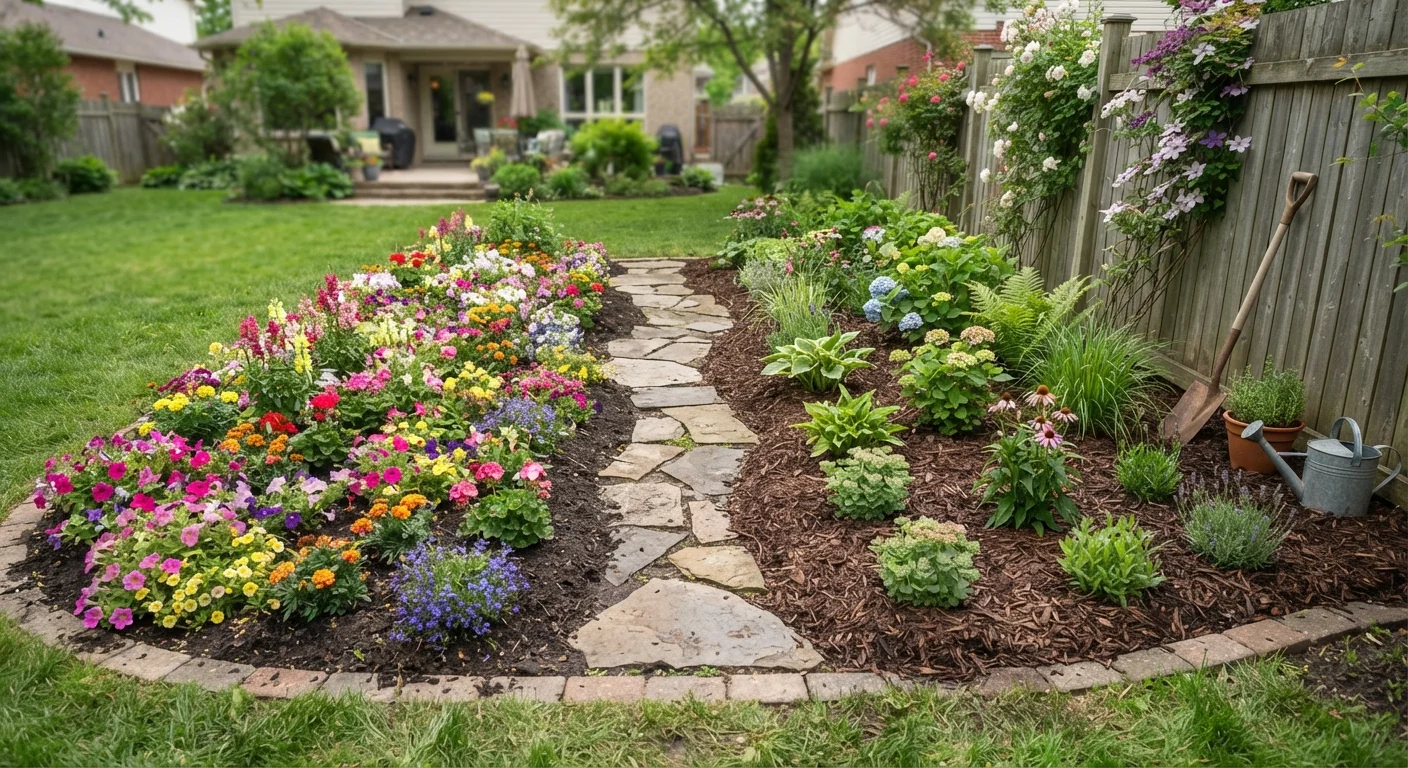
Photo credit: grub-cafe.com
In this article
Perennials and annuals each have a place in the yard, but their long-term costs differ. See which choice makes more sense for budget-conscious households.
Key Takeaways
- Perennials cost more upfront but typically eliminate the need to repurchase plants each year.
- Annuals give families full control over color and layout each season, but require a recurring budget.
- A mixed planting strategy often delivers the best balance of cost savings and visual variety.
- Water use and soil preparation affect the true cost of either approach over time.
- Local climate and USDA hardiness zone determine whether a perennial actually survives winter.
How each plant type works and what it costs
Perennial plants complete their life cycle and then go dormant, returning from the same root system for multiple growing seasons. Annuals germinate, flower, set seed, and die within a single season. That biological difference is the entire basis of the cost comparison.
A perennial typically costs more at the nursery, often $6 to $15 per plant or more depending on the species and pot size, compared to $2 to $5 for most annual starts. In year one, planting a 10-plant bed with perennials can cost two to three times as much as filling the same space with annuals. However, because perennials return the following spring, that one-time purchase gets spread across every year the plant survives.
Annuals require a full repurchase every spring. Families who plant even a modest number of annuals each year will spend that same $20 to $50 repeatedly. Over five years, that recurring cost can outpace what a perennial bed would have cost in total.
| Criterion | Perennial plants | Annual plants |
|---|---|---|
| Typical plant cost | $6 to $15+ per plant | $2 to $5 per plant |
| Replanting required | No, returns each year | Yes, every season |
| 5-year cost trend | Cost spreads over years | Full cost repeats annually |
| Water needs (established) | Generally lower | Higher each season |
| Seasonal color control | Fixed bloom schedule | Fully flexible each year |
| Labor per season | Less after year one | Full prep each season |
| Best for renters | Not ideal | Well suited |
Soil preparation is a shared cost that often goes unnoticed. Whether you plant perennials or annuals, good soil structure, compost, and mulch reduce water needs and improve plant health. Common landscaping assumptions around soil and mulch can inflate early costs for either approach if families overcorrect based on bad advice.
The water and maintenance equation
Water is a real operating cost that the sticker price of plants does not reflect. Annuals, because they are establishing new root systems every season, tend to need more consistent watering than perennials that have spent one or more years building deeper roots. That difference shows up on your utility bill.
Perennials with established root systems are generally more drought-tolerant by their second or third year. Choosing species suited to your region amplifies this advantage. Water-saving practices for home gardens such as drip irrigation and strategic mulching apply to both types but tend to deliver more lasting returns in perennial beds.
Labor is also worth counting. Annuals require full bed preparation, planting, and removal every season. Perennials need dividing every few years and seasonal cleanup, but the annual replanting work is gone. For families with limited weekend time, that labor reduction has real value even if it does not show up in a dollar figure.
Check your hardiness zone before planting
A perennial's cost advantage disappears if the plant does not survive your winter. The USDA Plant Hardiness Zone Map divides the US into zones based on average minimum winter temperatures. Every plant tag should list a zone rating. Buying plants rated for your zone or colder is the single most reliable way to protect a perennial investment.
When annuals still make financial sense
Annuals are not a poor financial choice in every situation. For renters, the math is straightforward: investing in perennials that stay in the ground when you move is a loss. Annuals match the commitment level of a short-term living situation.
Annuals also make sense when filling a new bed while perennials are establishing. In the first year, perennials often look sparse. Annuals planted around them fill the visual gap without requiring a permanent planting decision. That is a legitimate use of the annual budget.
Color flexibility matters to many families. Annuals let you change your garden's look entirely from one year to the next. Perennials bloom on a fixed biological schedule, typically for two to six weeks per plant, and the color palette is set when you plant them. If variety and experimentation matter more than cost efficiency, annuals serve that goal well.
Building a cost-effective planting strategy
Most experienced gardeners land on a mixed approach. A perennial backbone handles structure and reduces the core replanting budget, while a small annual budget covers seasonal color without large recurring costs. The ratio depends on your goals and how long you plan to stay in the home.
Dividing perennials is one of the most overlooked cost strategies. Many perennials, including hostas, daylilies, and black-eyed Susans, spread and can be divided every two to four years. A plant purchased once can stock an entire bed over time at no additional cost. This is where the long-term math tilts clearly toward perennials for families who intend to stay in their home.
Think about hardiness before buying. A perennial that is not rated for your USDA hardiness zone will not return in spring, which eliminates the cost advantage entirely. Verify the zone rating on the plant tag or ask at the nursery. The USDA Plant Hardiness Zone Map is a free public resource that covers all US regions.
For families working with a household budget across multiple spending categories, the same logic that applies to garden spending, paying more upfront to reduce recurring costs, mirrors approaches used in other areas. Household budgeting methods that track categories separately can help families set a realistic annual garden budget and stick to it.

Author
Home and Garden Editorial Team
Home and Garden Editorial Team is the collective byline for our editorial team and contributor network. Articles published under this byline or an editorial pen name are researched, written, and reviewed according to our editorial standards for clarity, consistency, and independence before publication.
View all articles →