
Water-Saving Practices Every Home Garden Can Use
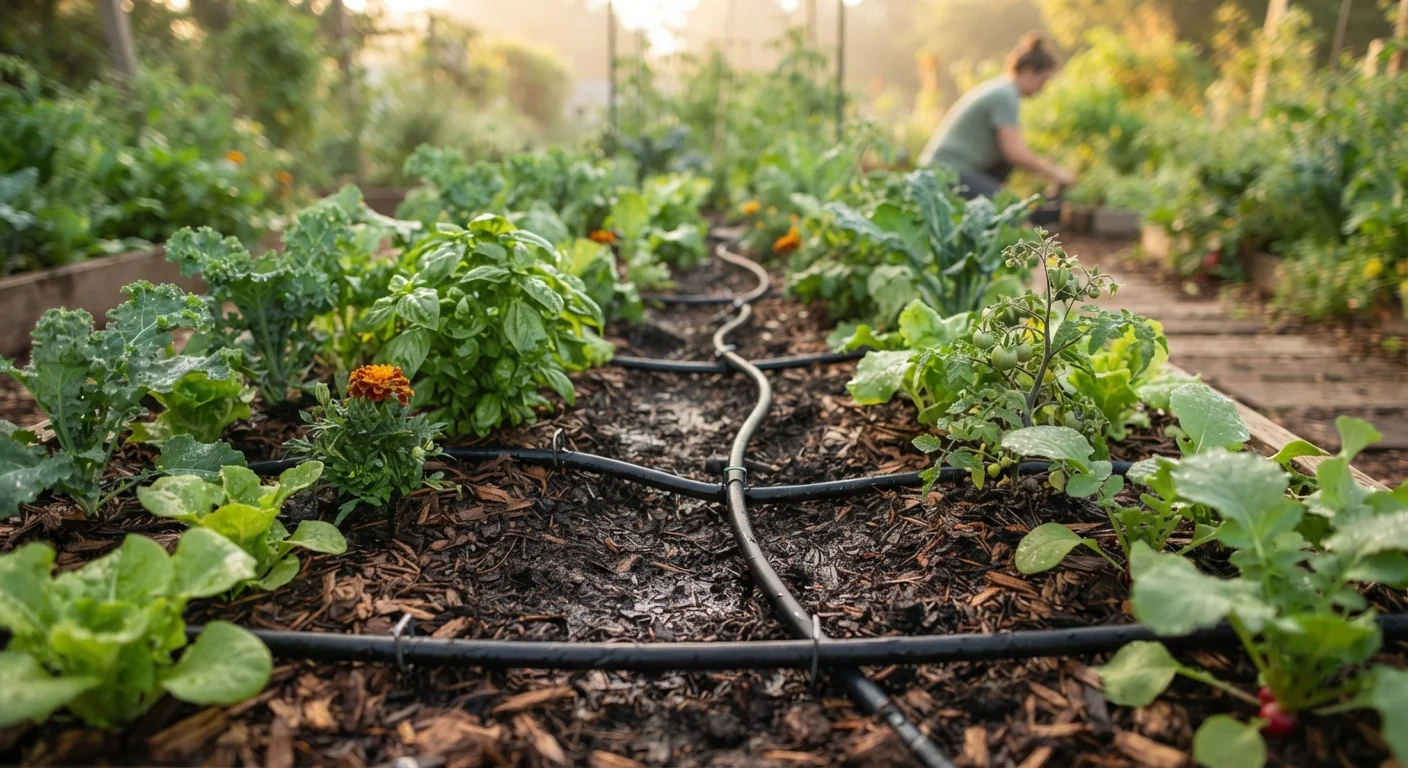
Photo credit: grub-cafe.com
In this article
Reducing garden water use lowers your utility bill without sacrificing plant health. Explore proven techniques from drip irrigation to strategic planting schedules.
Key Takeaways
- Watering early in the morning reduces evaporation and helps plants absorb moisture efficiently.
- A 2-to-3-inch layer of mulch can cut soil moisture loss by up to 50 percent.
- Drip irrigation delivers water directly to roots, reducing waste compared to overhead sprinklers.
- Grouping plants with similar water needs prevents over- and under-watering across the garden.
- Collecting rainwater in barrels is a low-cost way to offset tap water use during dry spells.
Why water efficiency matters for home gardens
Outdoor water use accounts for a substantial portion of household consumption in the US, with irrigation representing the largest single category for homes with gardens. For families trying to keep utility costs in check, the garden hose is one of the easiest places to make a measurable dent. Water-saving practices also tend to improve plant health rather than hurt it, because most common garden problems, including root rot, fungal disease, and nutrient leaching, trace back to overwatering.
The good news is that the most effective techniques cost little or nothing to implement. Timing changes, mulching, and smarter layout decisions require time and attention, not a large budget. For those considering a raised bed setup, raised bed gardening on a budget pairs well with the water strategies below, since contained beds make moisture management easier. If you want a broader look at where water fits in your household bills, controlling utility costs covers the bigger picture.
Core practices that reduce water use
The following approaches are grounded in how water moves through soil and plants. Applying several together produces better results than any single change alone.
Water early in the morning, before 9 a.m.
Watering in the early morning lets soil absorb moisture before heat builds up, which cuts evaporation significantly. Evening watering leaves foliage wet overnight and can promote fungal disease.
Apply a 2-to-3-inch layer of organic mulch around plants.
Mulch acts as a barrier between soil and sun, slowing evaporation and keeping root zones cooler. It also breaks down over time, adding organic matter that improves soil's water-holding capacity.
Switch to drip irrigation or soaker hoses for garden beds.
Overhead sprinklers wet leaves and lose significant water to evaporation and runoff. Drip lines and soaker hoses deliver water at ground level, close to the root zone, so less water is lost before plants can use it.
Group plants by water needs when planning your layout.
Mixing drought-tolerant herbs with thirsty vegetables means you either overwater the herbs or underwater the vegetables. Grouping plants with similar requirements lets you water each zone correctly without waste.
Collect and use rainwater with a simple barrel system.
A standard rain barrel connected to a downspout can collect hundreds of gallons per season, reducing dependence on tap water for garden irrigation. The upfront cost is modest and the water is free of chlorine, which some plants respond well to.
Check soil moisture before watering rather than following a fixed schedule.
Many gardens are overwatered simply because the hose comes out on the same days every week, regardless of recent rain or soil conditions. A quick finger test or inexpensive soil moisture meter prevents unnecessary watering.
Check local water restrictions first
Many municipalities in the US have seasonal watering schedules or restrictions, particularly during drought conditions. Before installing a rainwater collection system, check your state and local regulations, since rules vary widely. Some areas offer rebates for water-efficient equipment, so contacting your local utility is worth the call.
For more context on what common yard care habits actually cost, landscaping myths that cost homeowners more addresses several related misconceptions about mulch, watering, and lawn care.
Quick actions you can take this week
Some changes take planning, but the ones below can start immediately without buying anything new.
Choosing plants suited to your climate also reduces the baseline amount of supplemental irrigation your garden needs. Perennials vs. annuals covers how plant type affects long-term watering demands, among other costs.

Author
Home and Garden Editorial Team
Home and Garden Editorial Team is the collective byline for our editorial team and contributor network. Articles published under this byline or an editorial pen name are researched, written, and reviewed according to our editorial standards for clarity, consistency, and independence before publication.
View all articles →