
Eating Well on a Tight Budget: What Nutrition Science Actually Says
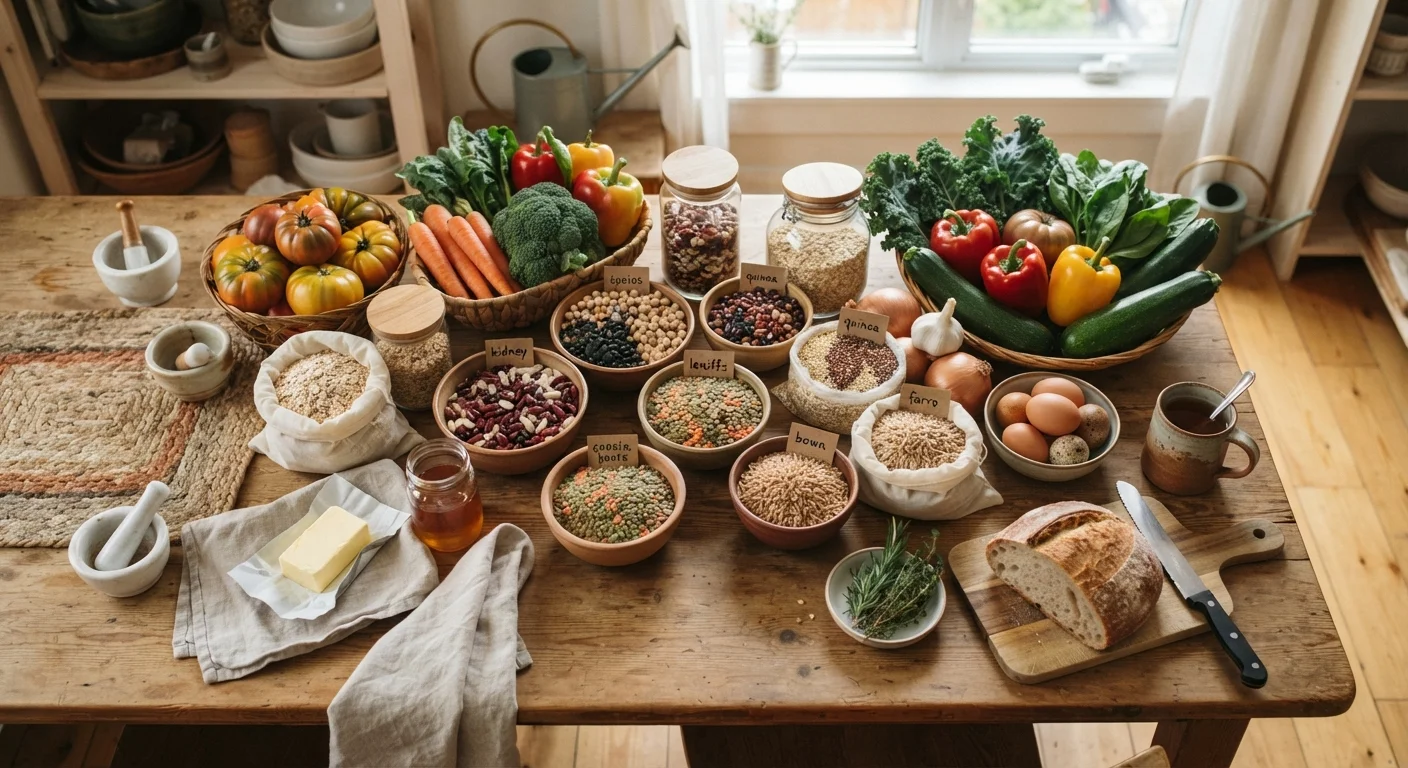
Photo credit: grub-cafe.com
In this article
Learn what research says about getting adequate nutrition without overspending, with practical food strategies for cost-conscious families.
Key Takeaways
- Legumes, eggs, frozen vegetables, and whole grains consistently offer high nutrition per dollar spent.
- Frozen and canned produce can match or exceed fresh produce in key nutrients when processed at peak ripeness.
- Meal planning around a small number of versatile ingredients reduces both food waste and grocery spending.
- Federal nutrition assistance programs such as SNAP and WIC exist to help eligible families close nutritional gaps.
- A registered dietitian can provide personalized guidance, including low-cost strategies tailored to specific health needs.
What the research says about diet quality and cost
A persistent belief holds that eating healthfully is inherently expensive. The evidence is more complicated. A body of research, including analyses published through the Harvard T.H. Chan School of Public Health, shows that the healthiest dietary patterns do not have to be the most costly, but achieving adequate nutrition on a low income does require deliberate choices. The core issue is food selection rather than total spending.
The USDA Economic Research Service has found that plant-based staples such as dried beans, lentils, oats, and brown rice deliver substantial protein, fiber, and micronutrients at costs well below most animal proteins and processed snack foods. Eggs remain one of the most complete sources of protein and fat-soluble vitamins available at a low per-serving price. These are not fringe findings; they reflect consensus across federal nutrition guidance and peer-reviewed dietary research.
Our companion article on the true cost of healthy eating examines the evidence behind common cost misconceptions in more depth.
Start with one high-value swap
If changing an entire grocery list feels overwhelming, start with one substitution: replace a weekly purchase of processed snacks with a bag of dried lentils or a dozen eggs. These items cost less per serving and supply protein, fiber, and micronutrients that processed snacks typically do not. Small, consistent changes in food selection add up over weeks and months.
Foods that deliver the most nutrition per dollar
Not all affordable foods are equally nutritious, and not all nutritious foods are equally affordable. The categories below consistently appear in nutrition cost-efficiency analyses:
- Legumes: Dried lentils, black beans, kidney beans, and chickpeas provide protein, iron, folate, and soluble fiber. Dried forms cost less per serving than canned but require soaking and cooking time. Canned versions, rinsed to reduce sodium, are a practical alternative.
- Eggs: One egg delivers protein, choline, vitamin D, and B12 in a form the body absorbs readily. They cook quickly and work across breakfast, lunch, and dinner preparations.
- Frozen vegetables: Spinach, peas, broccoli, edamame, and mixed vegetable blends are harvested and frozen quickly, which preserves most heat-stable nutrients. They are typically less expensive than fresh equivalents and produce no spoilage waste.
- Whole grains: Rolled oats, brown rice, barley, and whole wheat pasta provide complex carbohydrates, fiber, and B vitamins at low cost per serving.
- Canned fish: Tuna, sardines, and salmon packed in water supply omega-3 fatty acids and complete protein at a fraction of the cost of fresh fish.
Building meals around two or three of these categories at a time produces filling, nutritionally complete plates without requiring elaborate ingredient lists.
$0.14
Approximate cost per gram of protein from dried lentils
USDA Economic Research Service analyses consistently rank legumes among the lowest-cost protein sources available in American grocery stores.
42 million
Americans participating in SNAP
According to USDA data, SNAP served approximately 42 million individuals in recent program years, representing a wide range of household income levels.
90%+
Nutrient retention in most frozen vegetables
Research published in journals including the Journal of Food Composition and Analysis shows that freezing preserves the majority of key vitamins in most vegetable varieties.
Practical strategies: planning, waste reduction, and cooking
Nutrition science identifies food access and food waste as two of the largest barriers to adequate diet quality in lower-income households. Addressing both matters more than finding any single "superfood."
Meal planning before grocery shopping reduces impulse purchases and allows families to use ingredients across multiple meals. A pot of cooked lentils, for example, works as a soup base on day one, a taco filling on day two, and a salad addition on day three. This approach extracts more nutrition per dollar from every ingredient purchased.
Batch cooking, where a larger quantity of a staple such as rice or beans is prepared once and refrigerated for the week, reduces preparation time and the temptation to rely on processed convenience foods. The USDA's FoodKeeper resource offers practical storage guidance that can help families hold food at peak quality longer.
Families with access to outdoor or container growing space may also find that even a small kitchen garden extends their food supply. Raised bed gardening on a tight budget covers how to start a productive garden without significant upfront cost.
For families managing grocery expenses as part of a broader household budget, common grocery spending habits that quietly drain food budgets offers specific patterns to watch for.
Federal nutrition programs and professional support
For families whose food budgets fall below what is needed for adequate nutrition, federal assistance programs exist specifically to close that gap. SNAP (Supplemental Nutrition Assistance Program) and WIC (Women, Infants, and Children) each target different household situations and have eligibility criteria based on income and household size. Applying does not require previous participation in any public program, and eligibility thresholds reach into moderate-income households in many states.
Community health centers, many of which operate on sliding-scale fees, sometimes offer nutrition counseling alongside medical care. Free and low-cost preventive health resources covers where to find these services at reduced or no cost.
A registered dietitian is the appropriate professional to consult for individualized dietary guidance, particularly for households with a member managing a chronic condition, a food allergy, or specific developmental needs such as those of young children or pregnant individuals. General strategies described in this article are educational starting points, not substitutes for professional dietary assessment.
This article is for informational and educational purposes only and does not constitute medical or dietary advice. Consult a qualified healthcare provider or registered dietitian for guidance specific to your family's health needs.
Frequently Asked Questions

Author
Health & Wellness Editorial Team
Health & Wellness Editorial Team is the collective byline for our editorial team and contributor network. Articles published under this byline or an editorial pen name are researched, written, and reviewed according to our editorial standards for clarity, consistency, and independence before publication.
View all articles →